Mevva
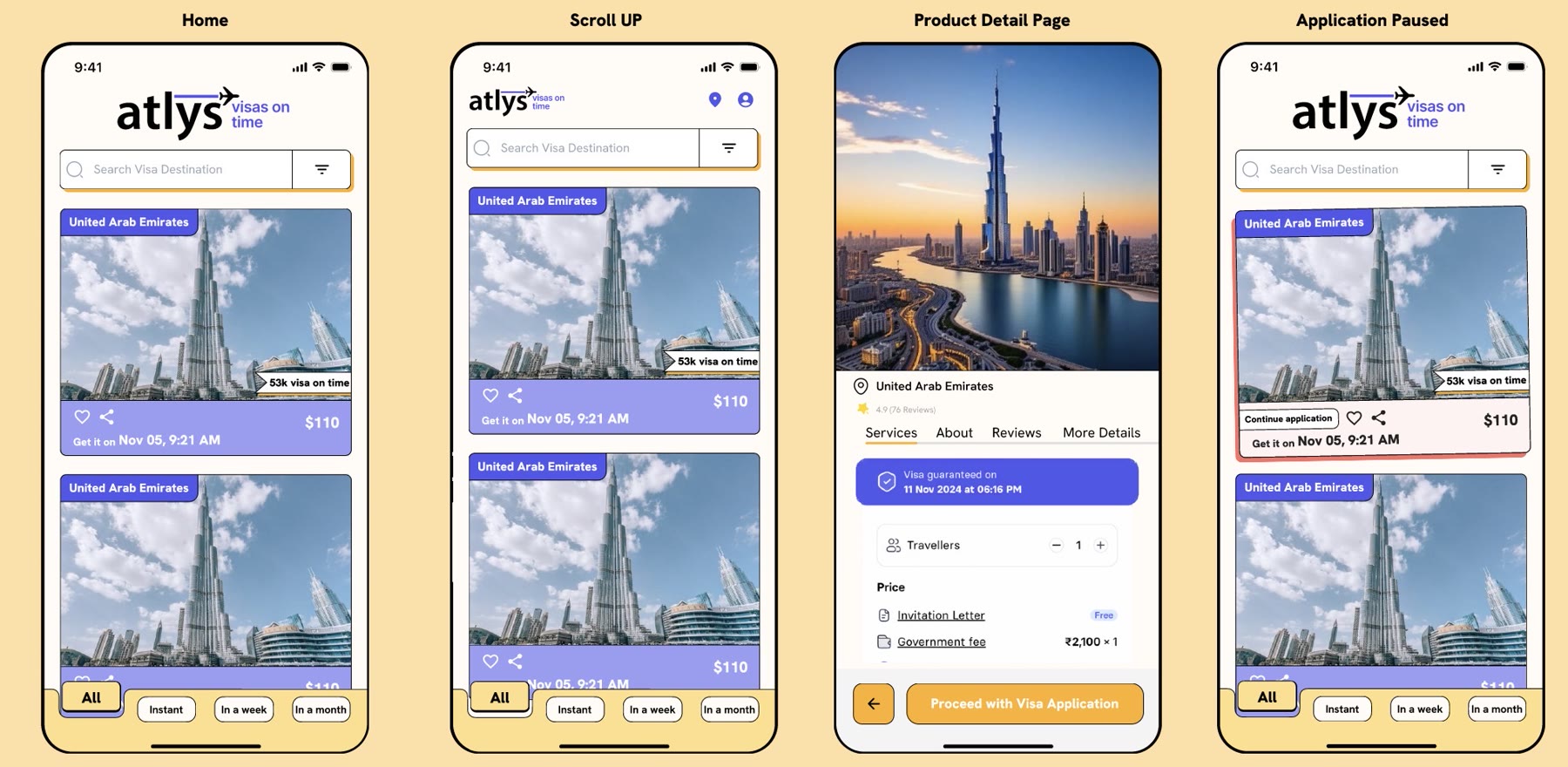
Consulted · BrandAn organic Ayurvedic wellness brand. I worked across packaging, social, website and product pages, including a label redesign for the sea buckthorn juice.


My own product, from first idea to real users.

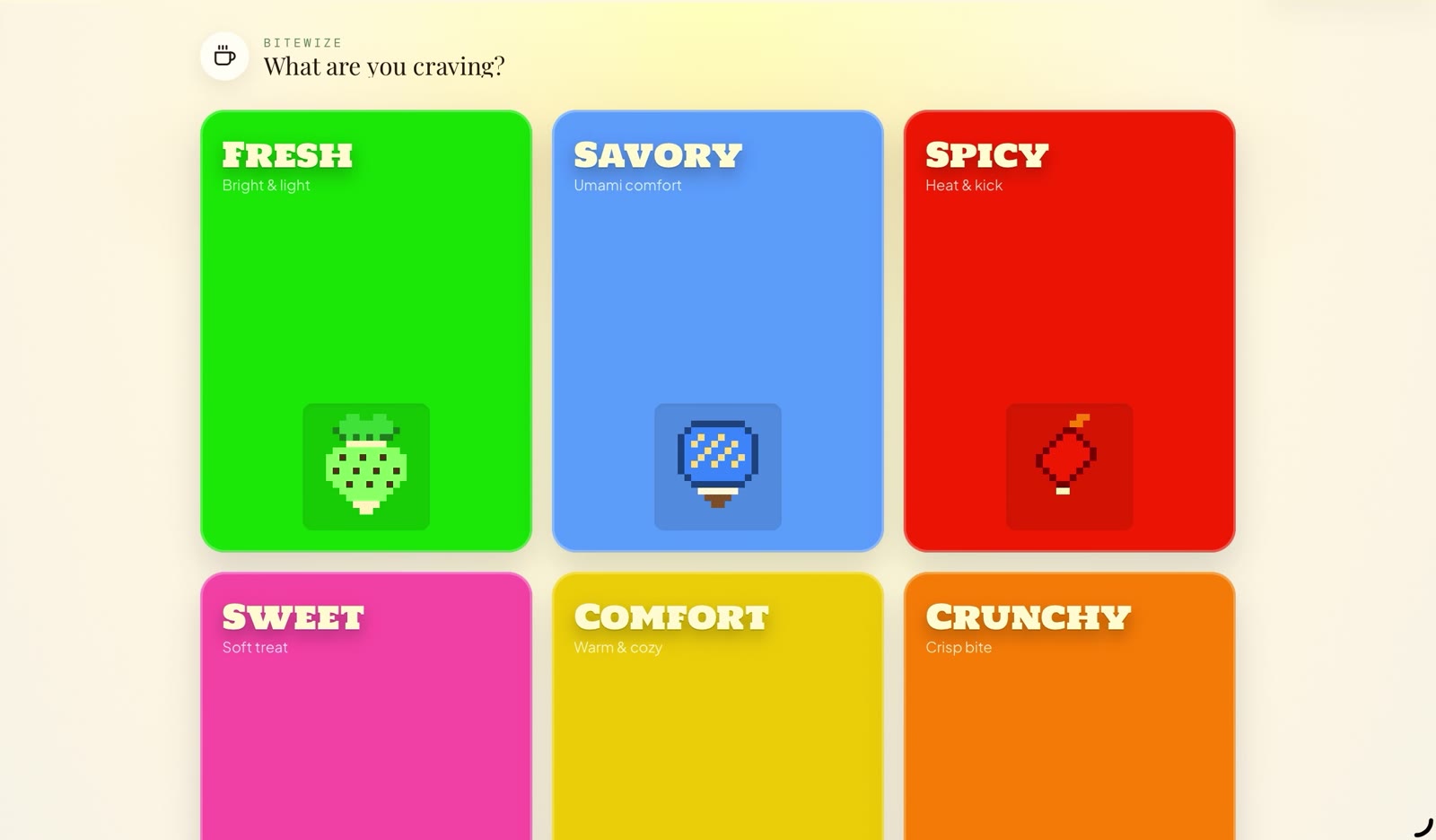
An AI food discovery web app. A 22 person survey showed health goals and cravings pull equally hard, so it became a cravings first, tap to add flow with a warm, encouraging tone.
An organic Ayurvedic wellness brand. I worked across packaging, social, website and product pages, including a label redesign for the sea buckthorn juice.
Each one follows the same arc: the objective, what I did, and what changed.
A self serve consumer research platform for enterprise FMCG brands.
An AI shopping browser that finds the best coupon and applies it for you.

An AI data platform that pulls a brand's tools into one dashboard, with Zin, a data assistant, on hand.
Little web apps I vibe coded on Claude, mostly for myself. Tap a sticker to try one.
Freelance projects I designed outside a design team.


From the founder, product managers and developer I've built with.
Manali has good product sense. She understands the latest trends in design, especially when it comes to dashboard designs. She stays dedicated and committed to her projects.
Manali is a very enthusiastic and passionate designer. She has always been very reliable and flexible with learning new things and delivering top notch product designs.
Manali is an outstanding UX designer whose work consistently exceeds expectations. Her talent for building products from scratch, improving existing systems, and creating user centric designs has greatly benefited our team.
Working with Manali makes development faster and significantly smoother. She understands technical constraints instantly and always comes back with developer friendly, clean, and scalable solutions. Her handoffs are clear, logical, and easy to implement, the kind that save hours of rework.
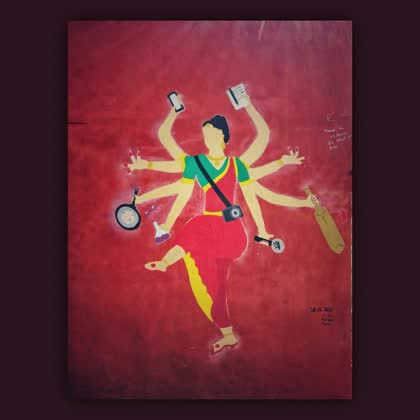
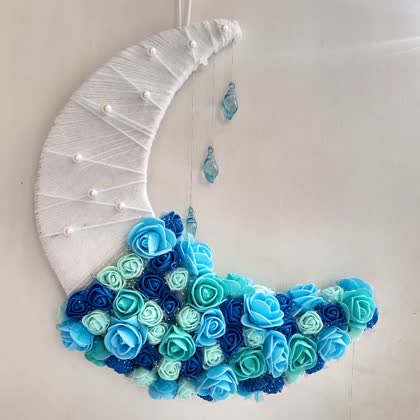
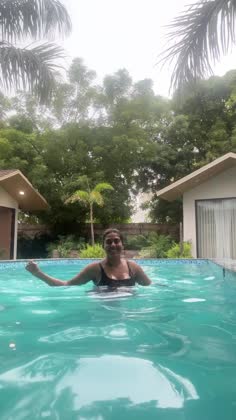
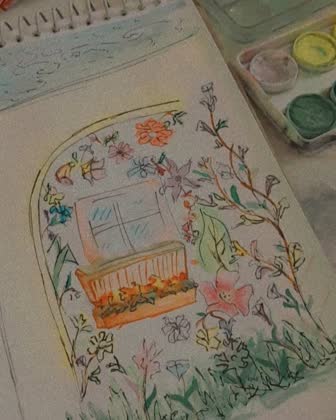
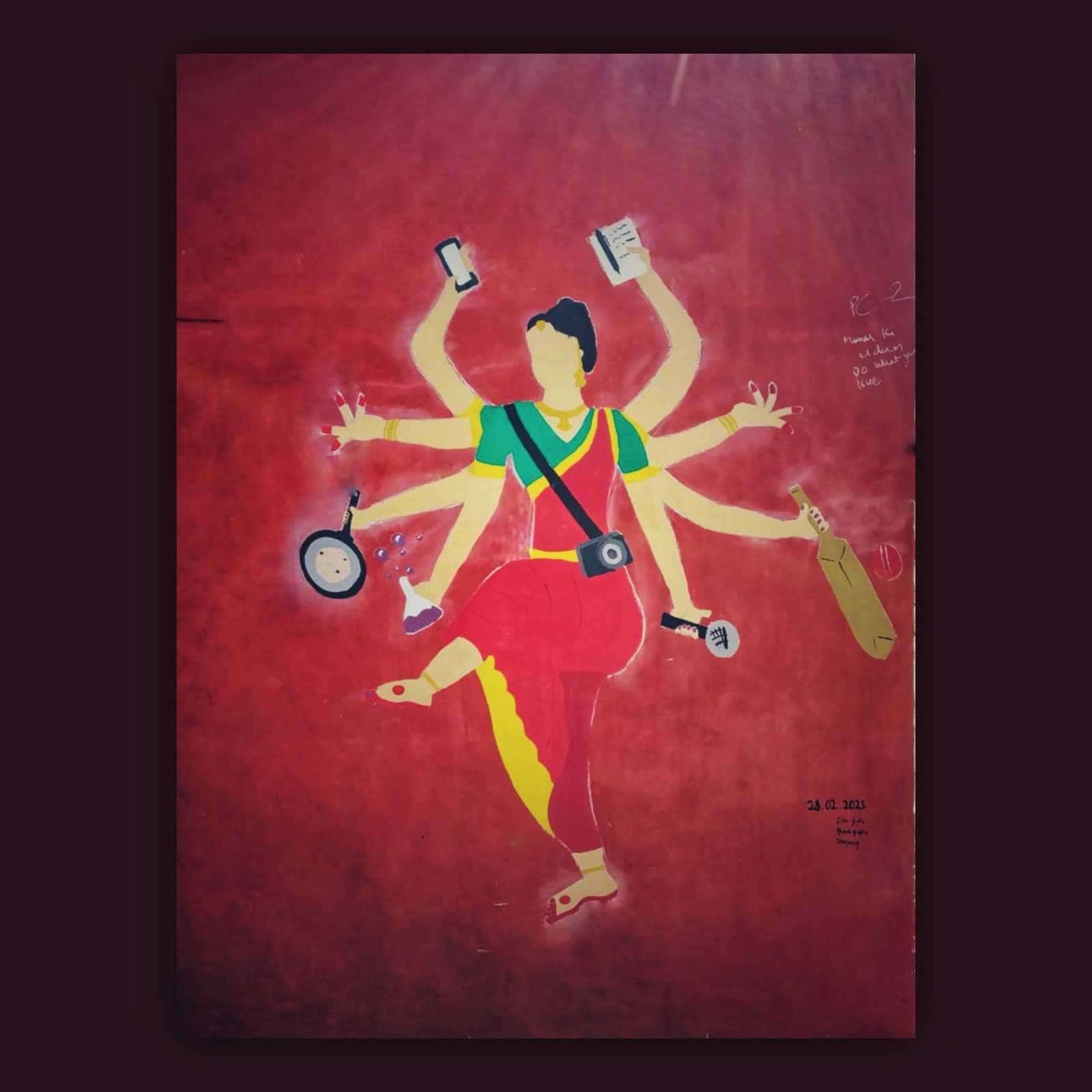
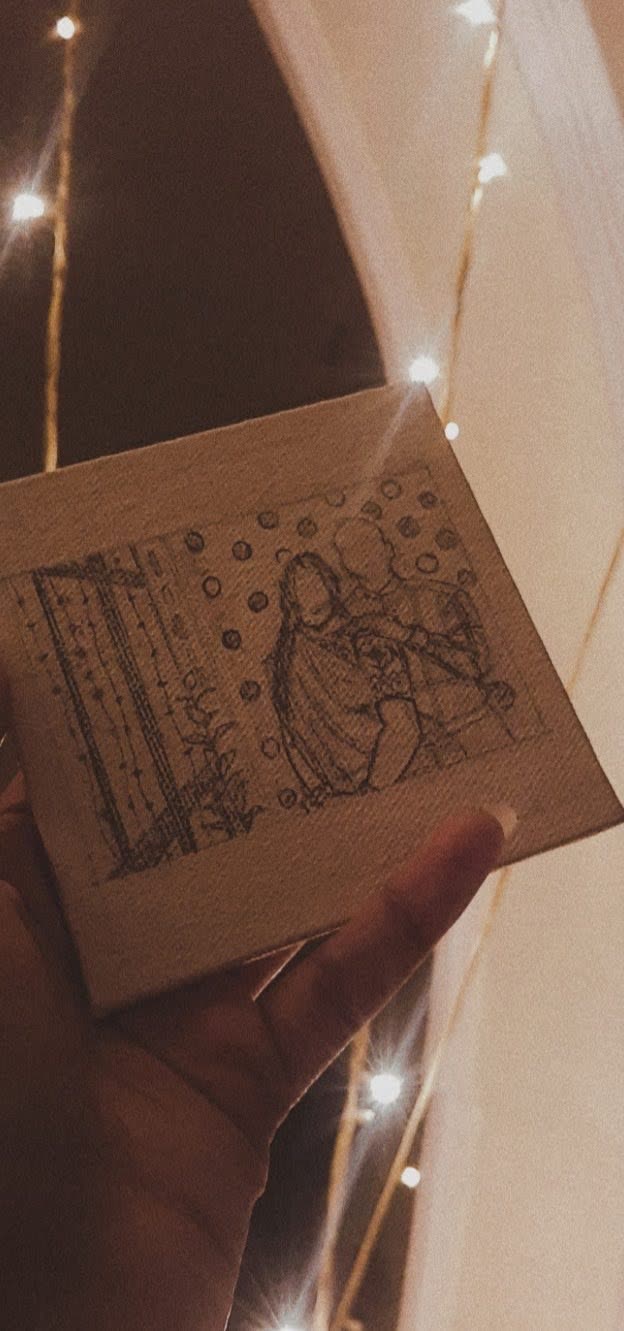
You'll probably find me travelling, in a pool or painting. If you do any of these too, tell me. That's my favourite way to start a conversation.
Five small chores, about a minute. Feed the cows, bring the chickens home, take the horse for a lap and spoil the dog and the cat.
Tap or drag things to help out. Stuck? Tap the i for help.
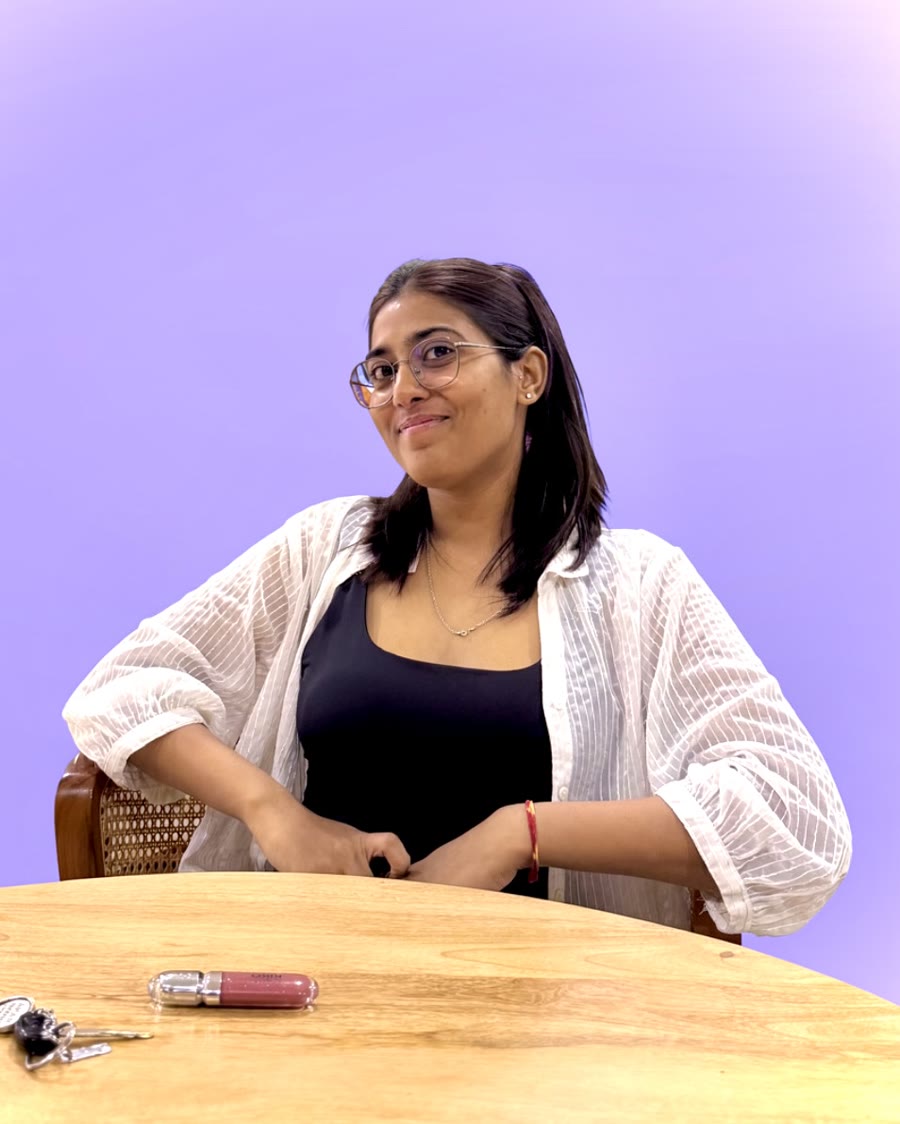
I'm Manali, a product designer from Jaipur. I joined Smytten Pulse as an intern and left as its Senior UX/UI Designer, designing the dashboards that Pulse's clients, including brand teams at HUL, Colgate and Dabur, used to make decisions.
Since then I have designed an AI shopping browser at Sellergize, freelanced, and built my own products with AI tools. I care about making complicated things feel calm.
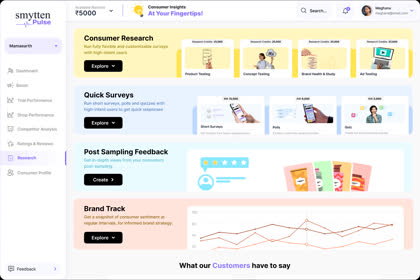
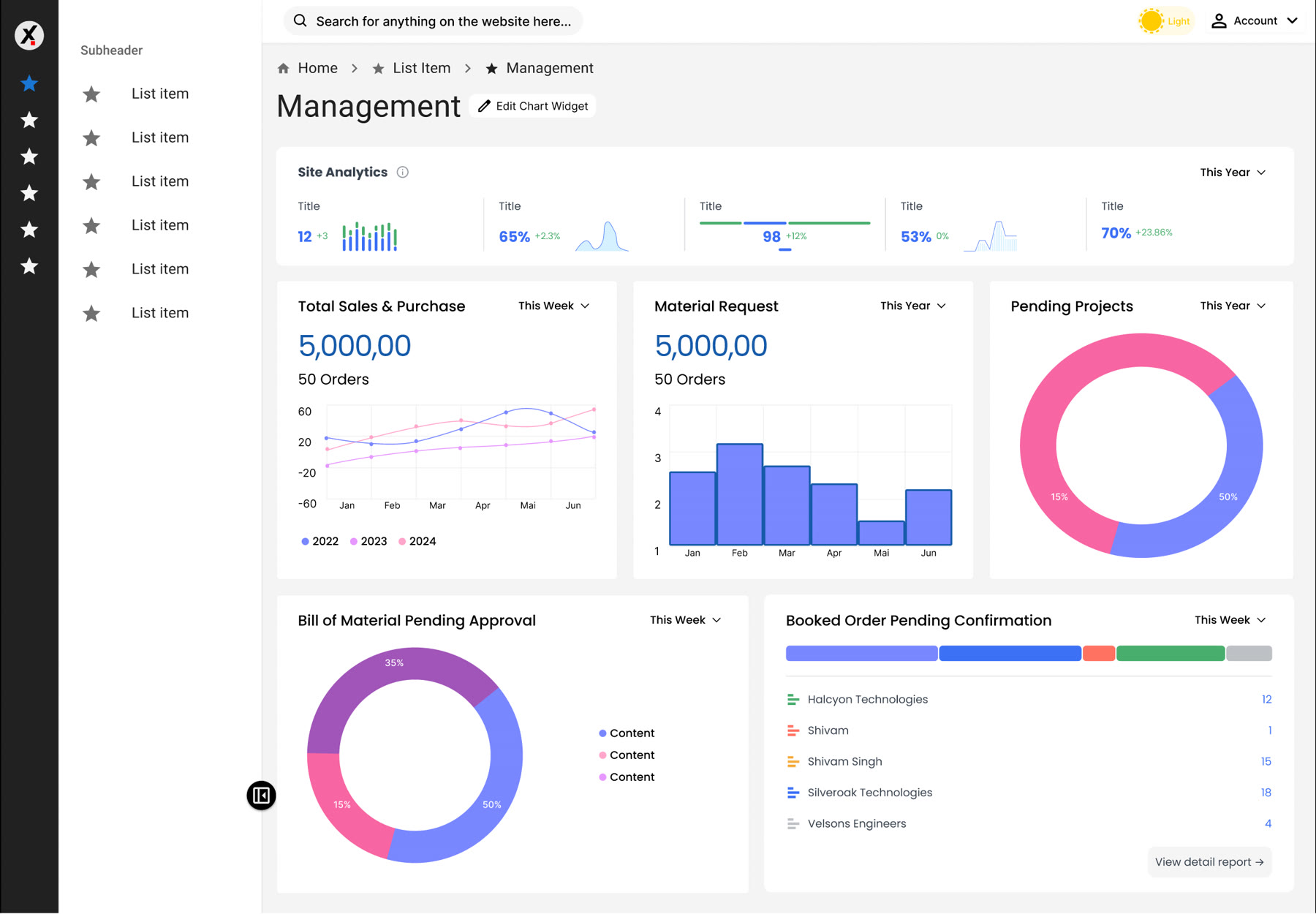
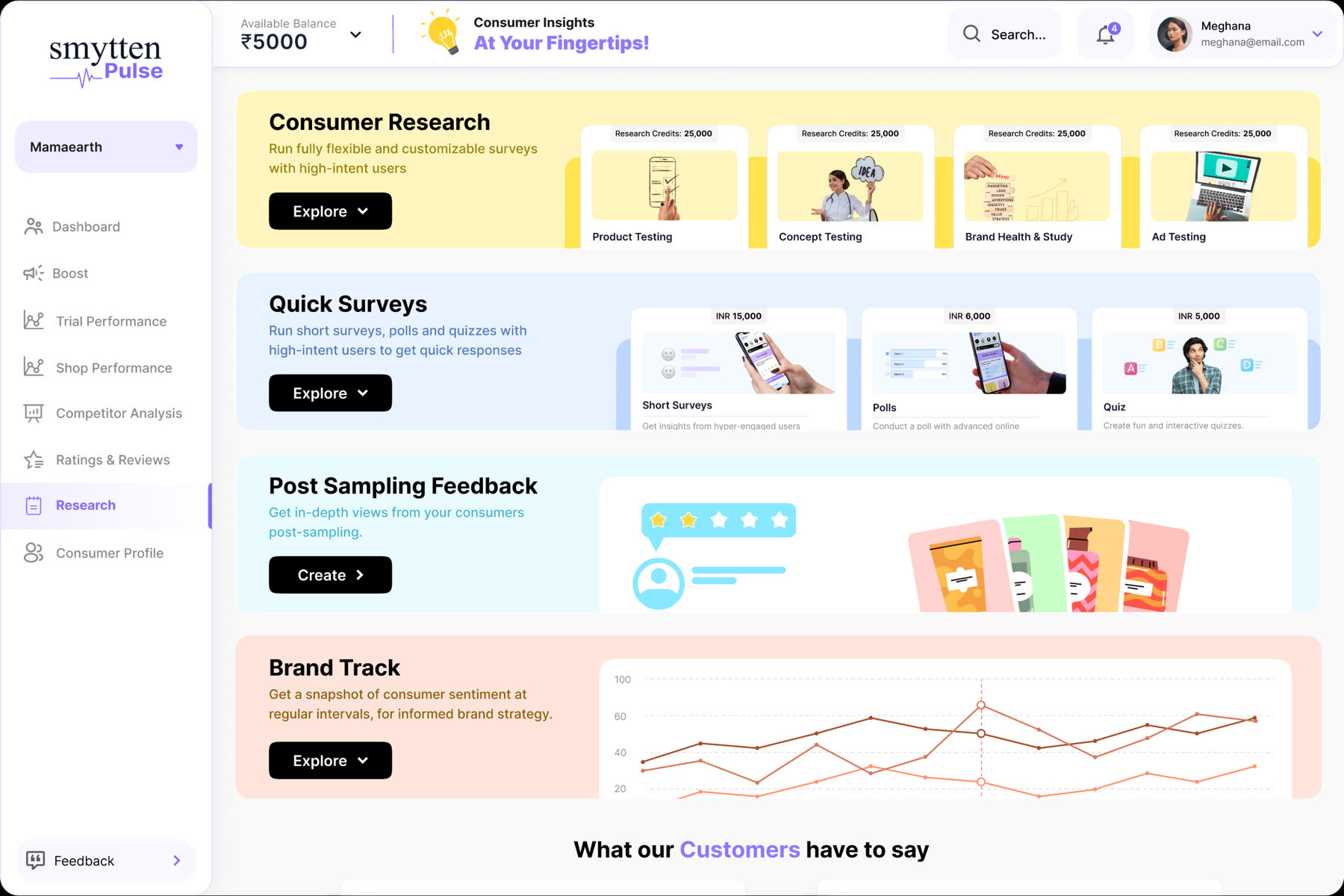
A self serve research platform that lets FMCG brands ask real consumers and read the answers as live dashboards.
Brand teams needed answers from real consumers fast enough to act on them. Pulse had the audience: Smytten's high intent shoppers. The job was to turn that audience into a product brand managers could use on their own, from choosing a study to reading what it found.
Before Pulse, brand research relied heavily on fragmented workflows: extracting data from databases, managing spreadsheets, and manually compiling reports. This made it harder for brands to track awareness, recall, competitor performance, and changing consumer perceptions efficiently.
I worked with product managers and engineers, using stakeholder discussions, product workshops, and analytics to understand the existing workflow and translate research needs into an integrated survey and insights experience. Brand Track also enabled brands to schedule recurring studies and track performance over time.
Four study types, each with its own colour, credits and starting templates, so a brand manager can tell product testing from a brand track at a glance.
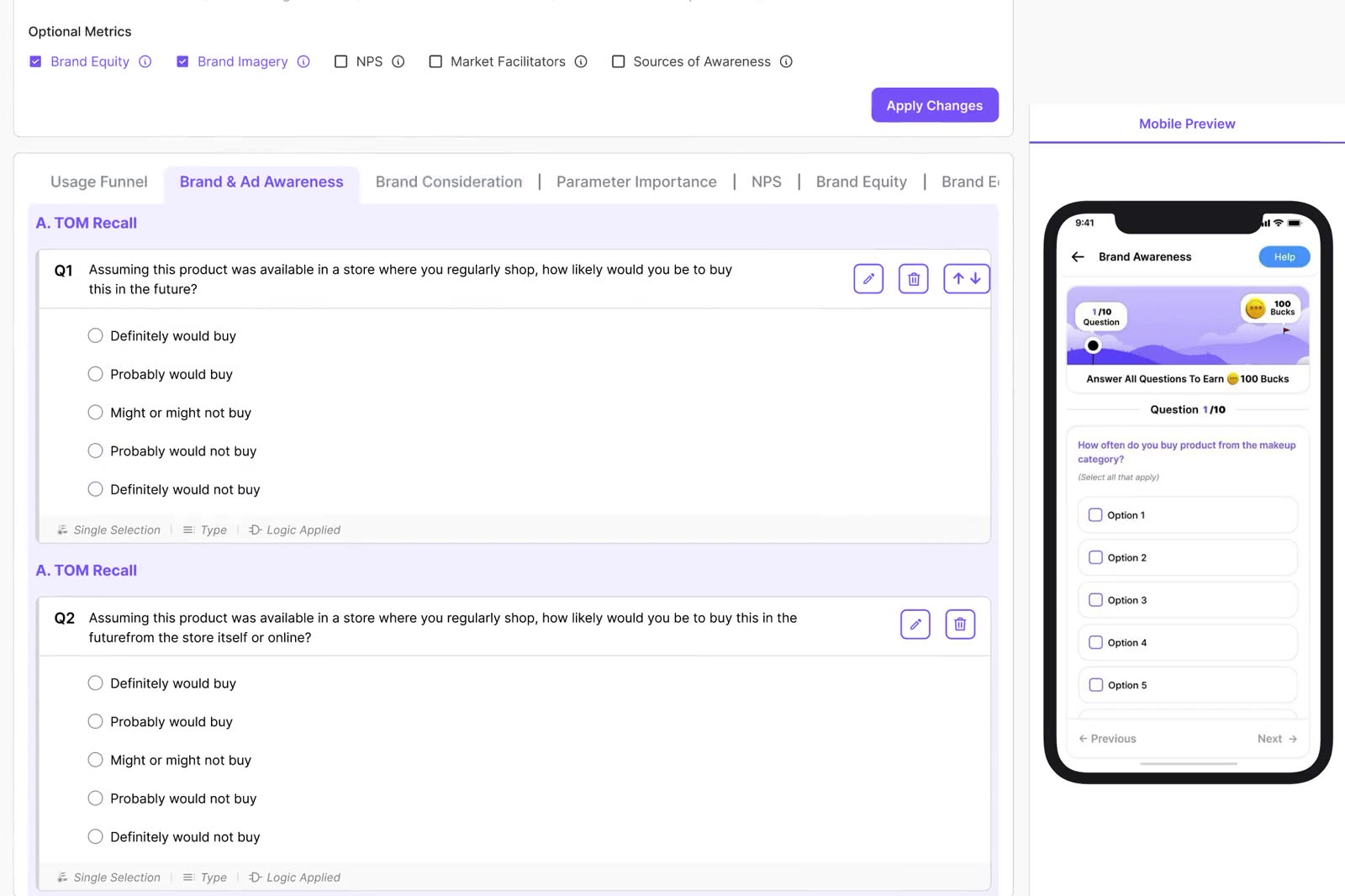
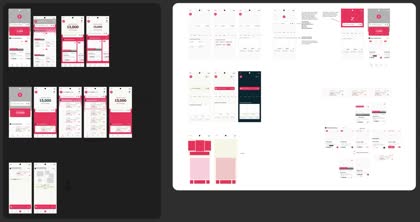
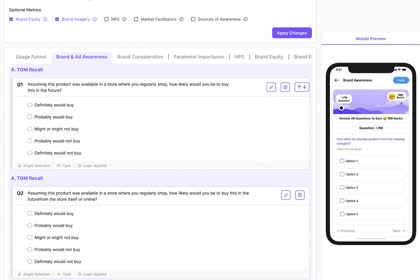
Mandatory and optional metrics are set first, then questions are edited beside a live phone preview of what the shopper will see.
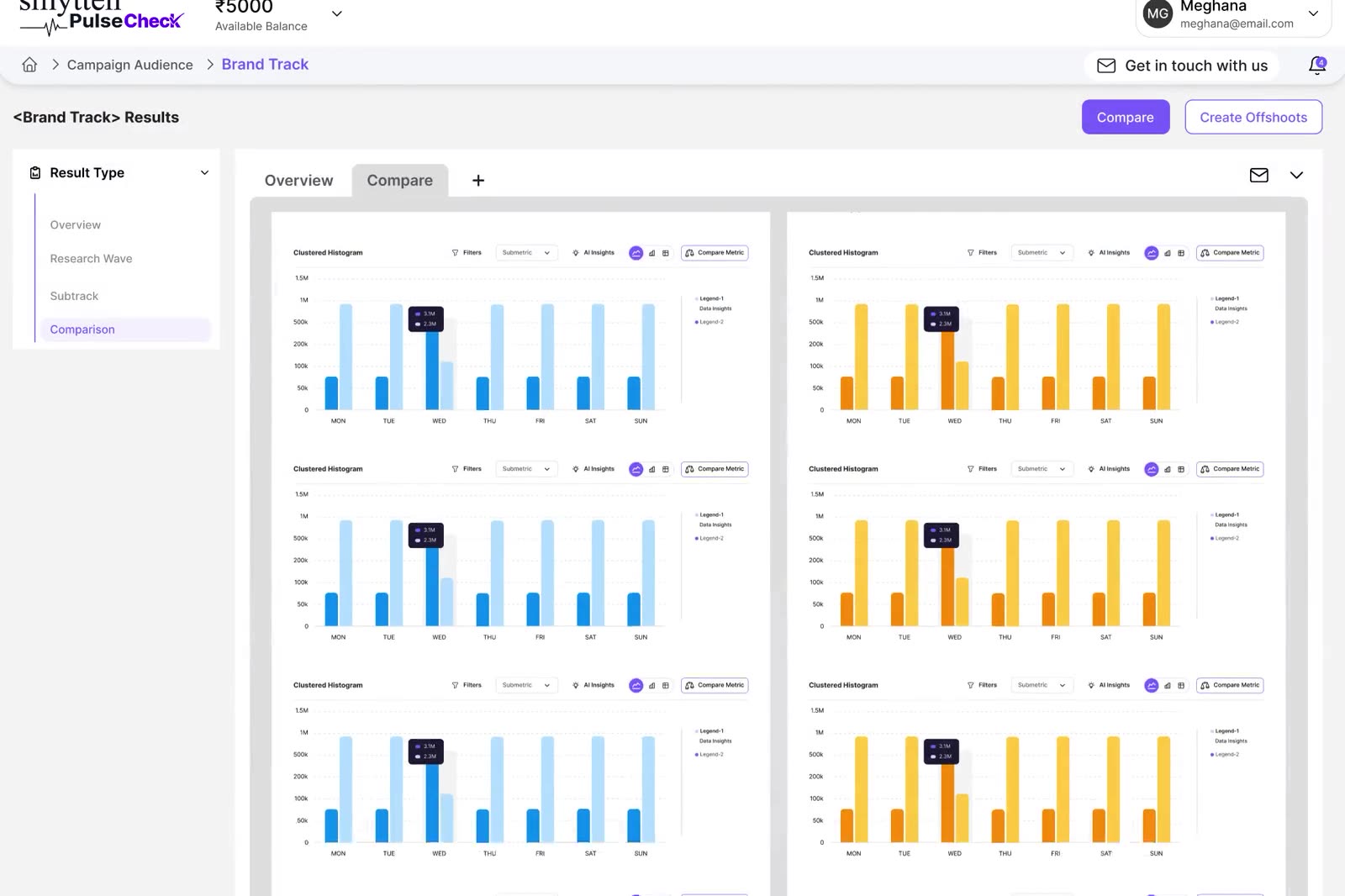
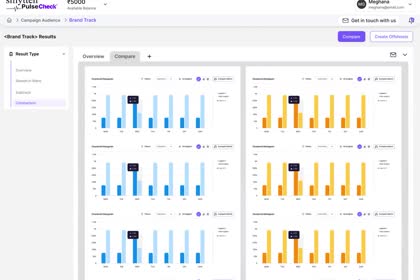
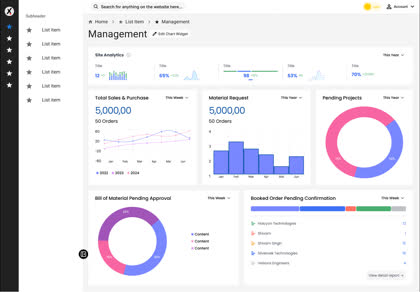
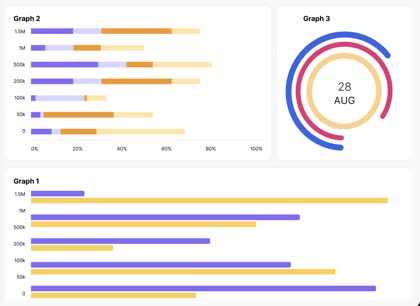
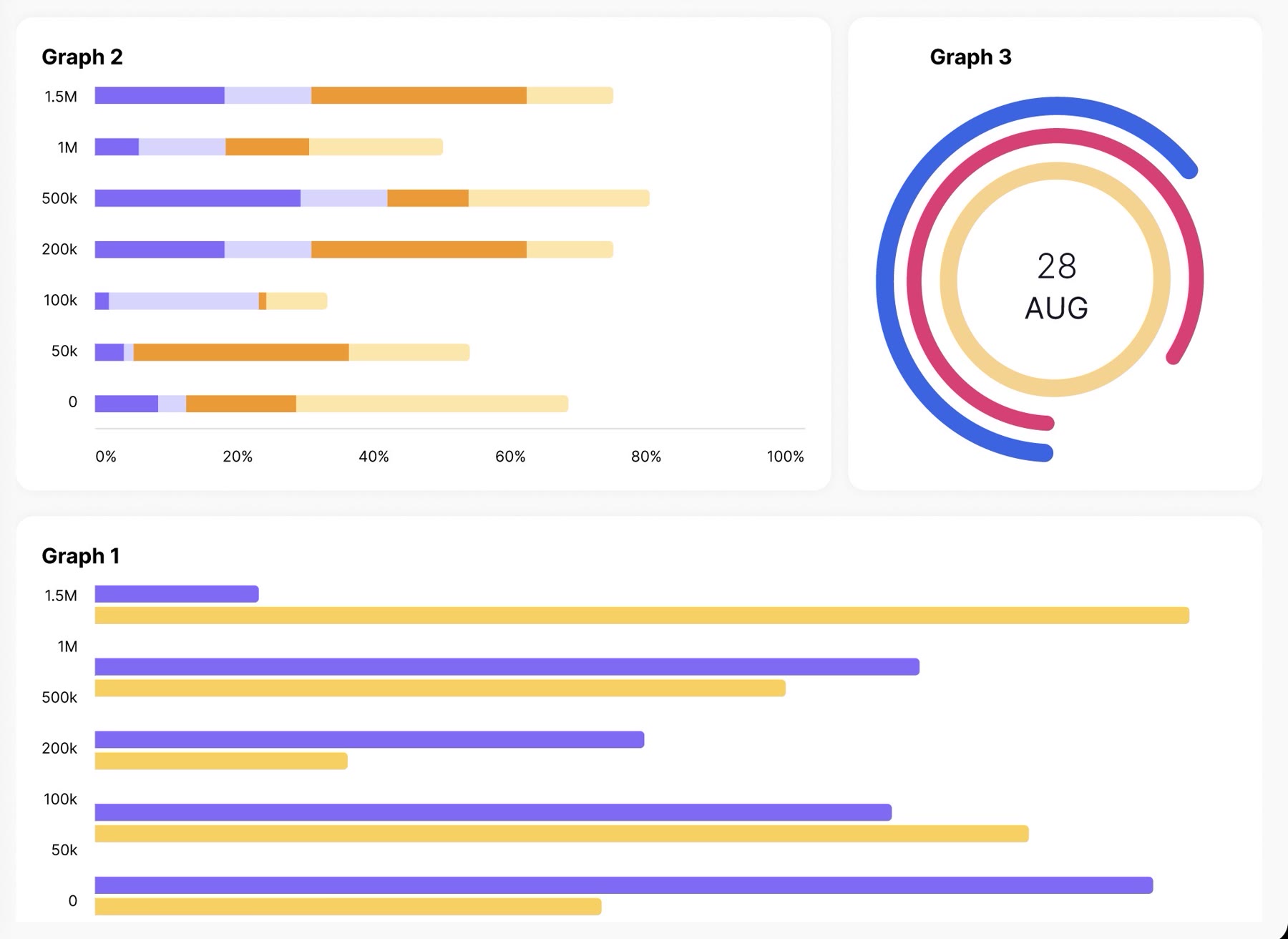
Audience persona, clustered histograms with AI insights, and a compare view that puts two research waves side by side.
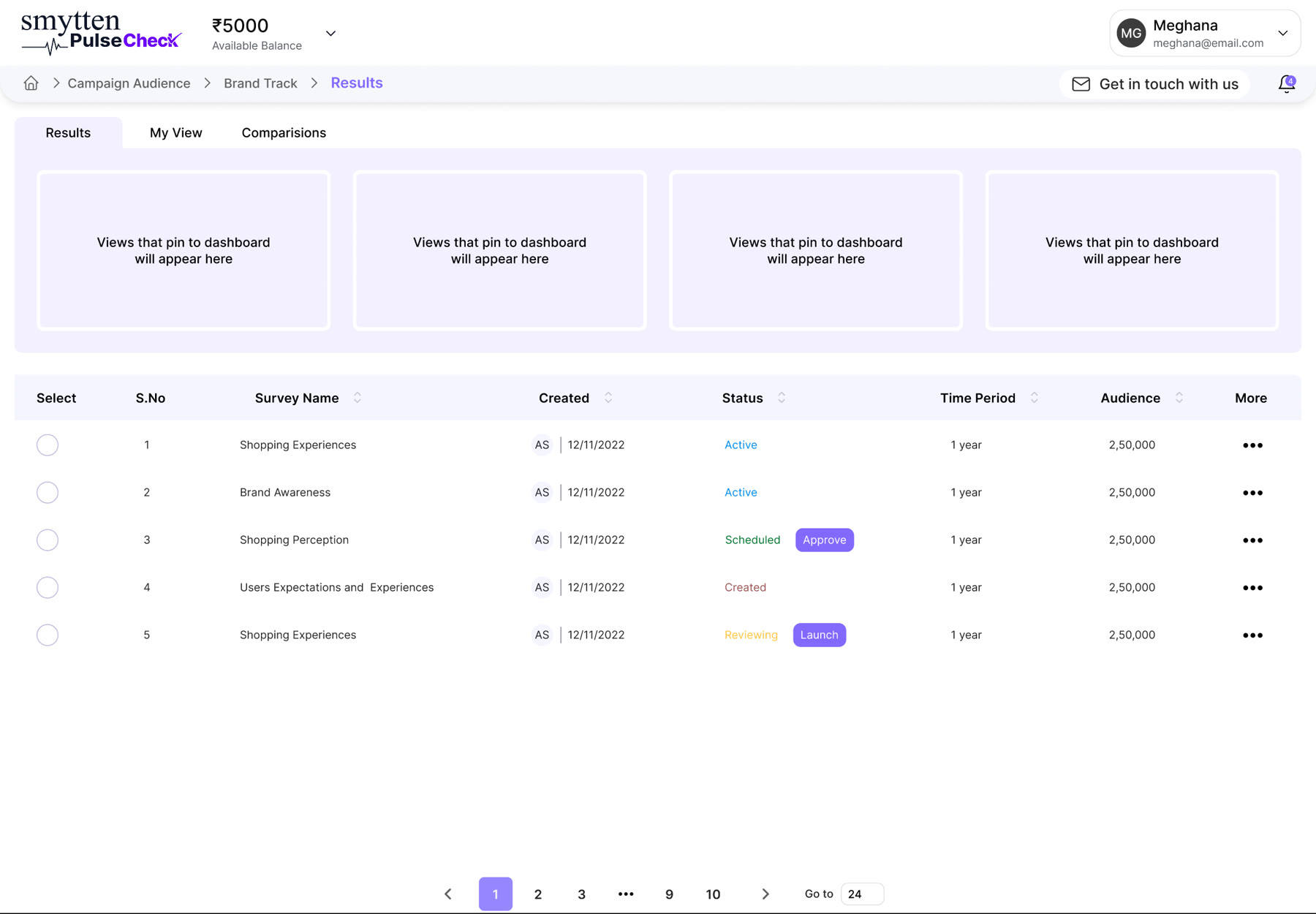
Each survey shows whether it is created, reviewing, scheduled or active, with the next action, Approve or Launch, right beside the status. Pinned views sit above the list.

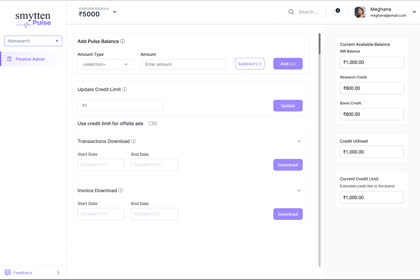
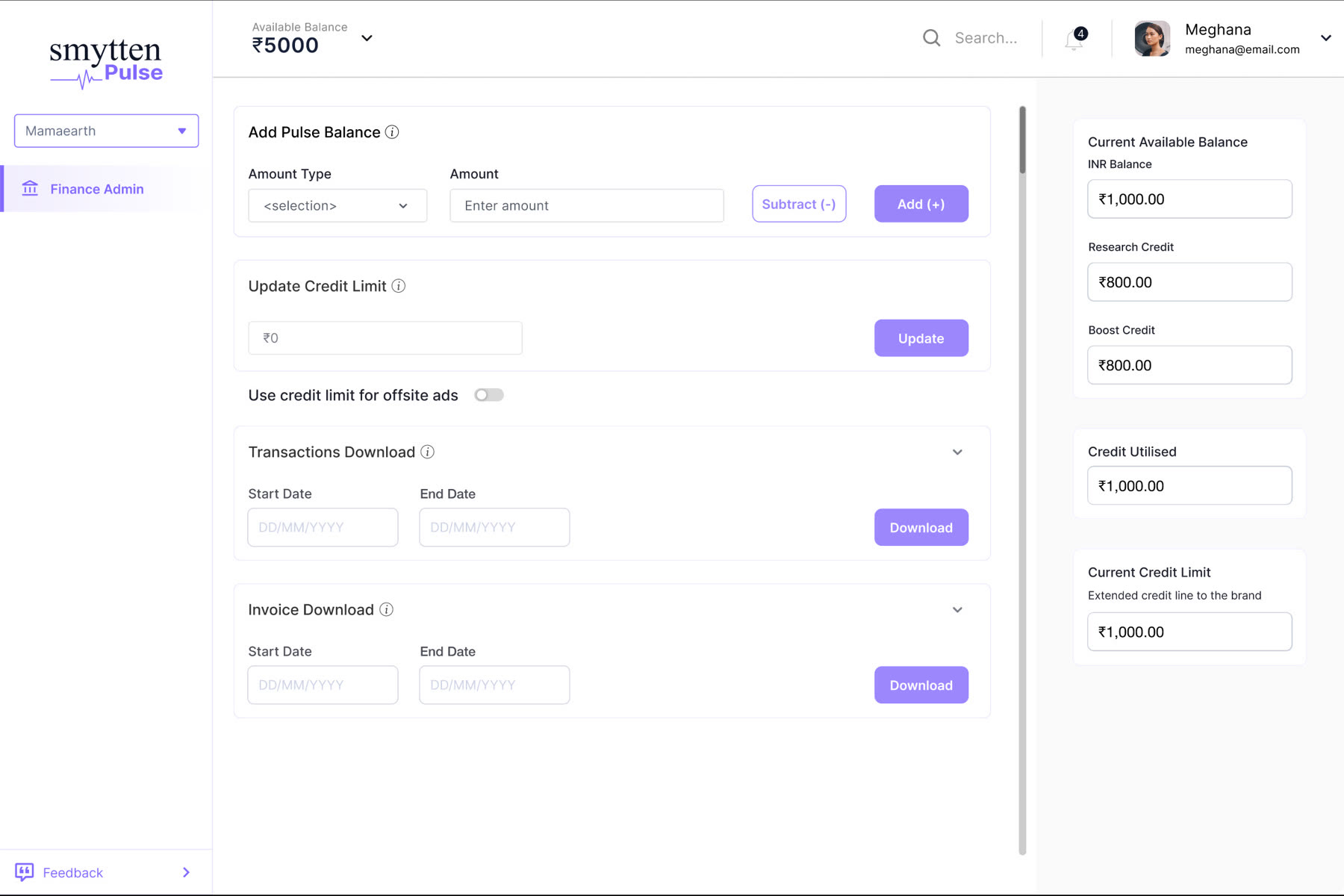
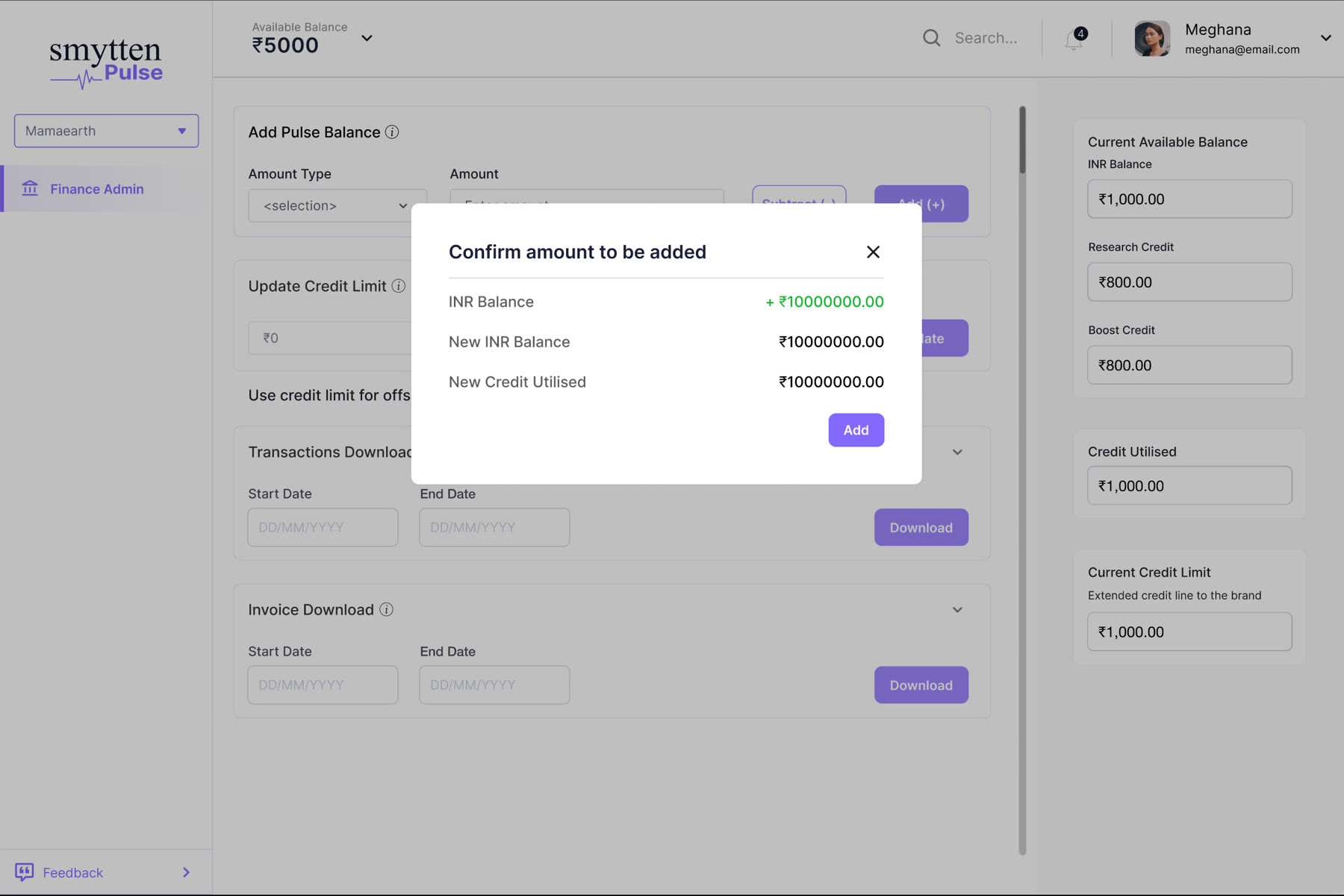
An internal tool for the finance team to add balance, set credit limits and download invoices per brand. Every change opens a confirmation showing the new balance before it is applied.


I built Pulse's design system from scratch. It became the shared foundation the research hub, survey builder, results dashboards and internal tools were all built on.
I learned that B2B product design is as much about simplifying complex workflows and making data actionable as it is about usability. Designing around how teams actually work helped me make the product more scalable and useful.
An AI shopping browser that finds the best coupon and applies it to your cart, with every marketplace order in one place.

Shoppers lose time searching for coupon codes that may not work, then lose track of orders spread across several marketplaces. Zifup set out to handle both: find the saving automatically, and keep every order in one view.
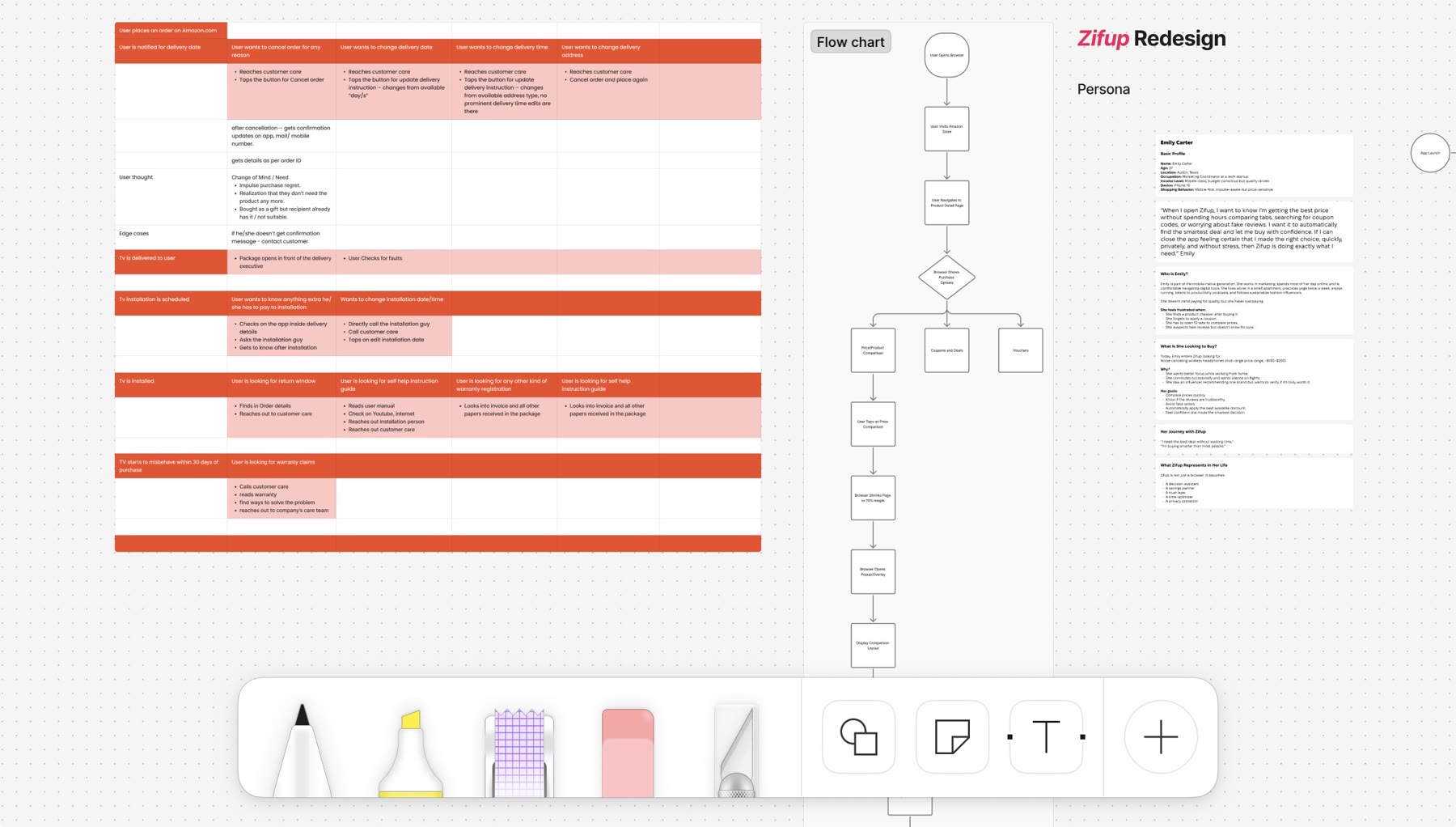
"When I open Zifup, I want to know I'm getting the best price without spending hours comparing tabs, searching for coupon codes, or worrying about fake reviews."Emily, the primary persona we designed for
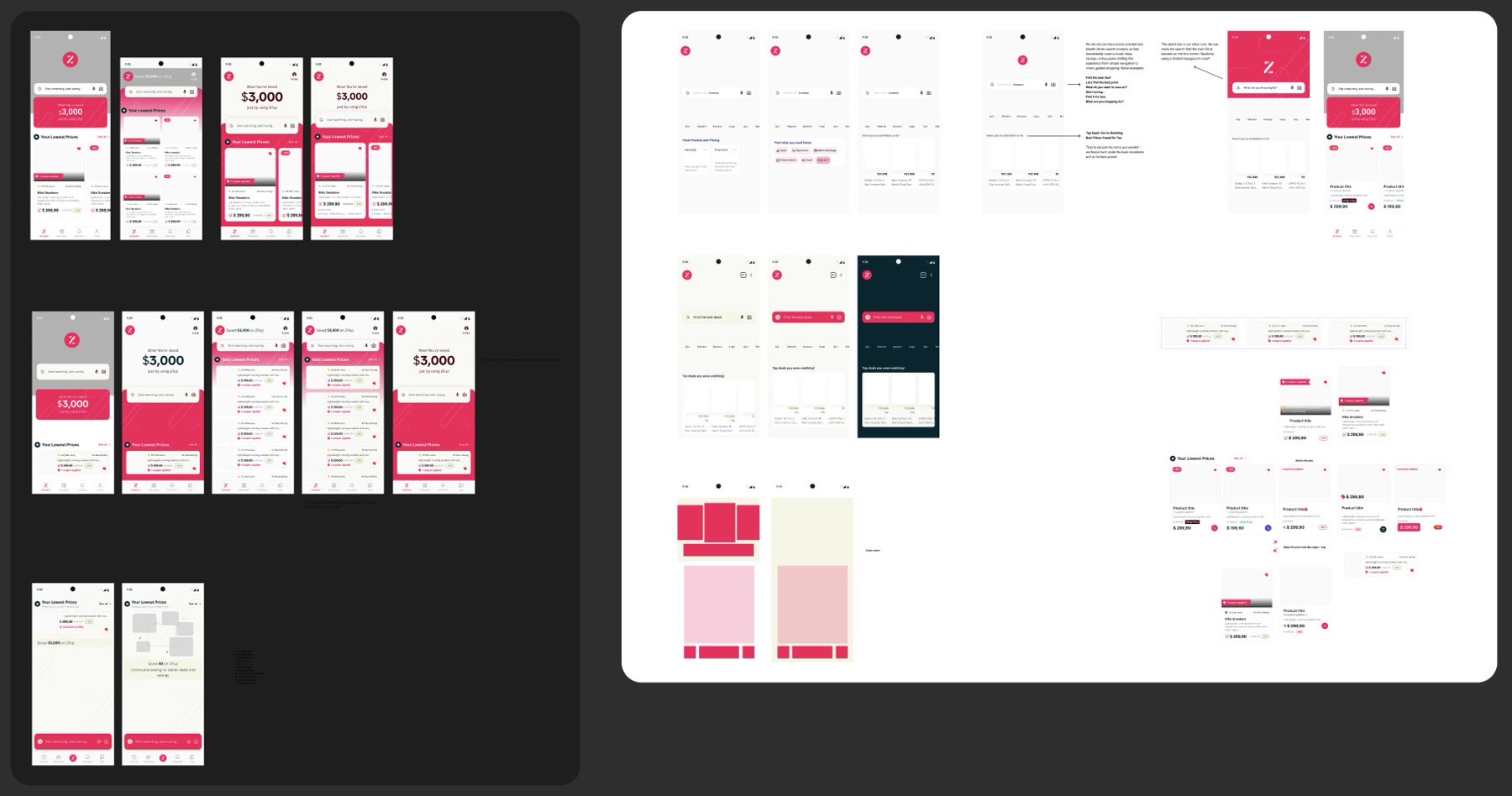
I mapped what people do after they buy: cancelling, changing a delivery date, waiting for installation, chasing a warranty. Each step showed where they fall back on customer care. A persona and a flow chart for the browser came out of it.


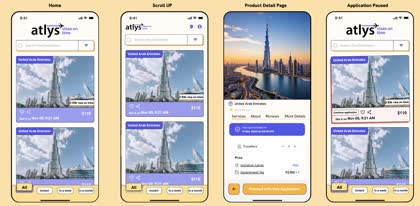
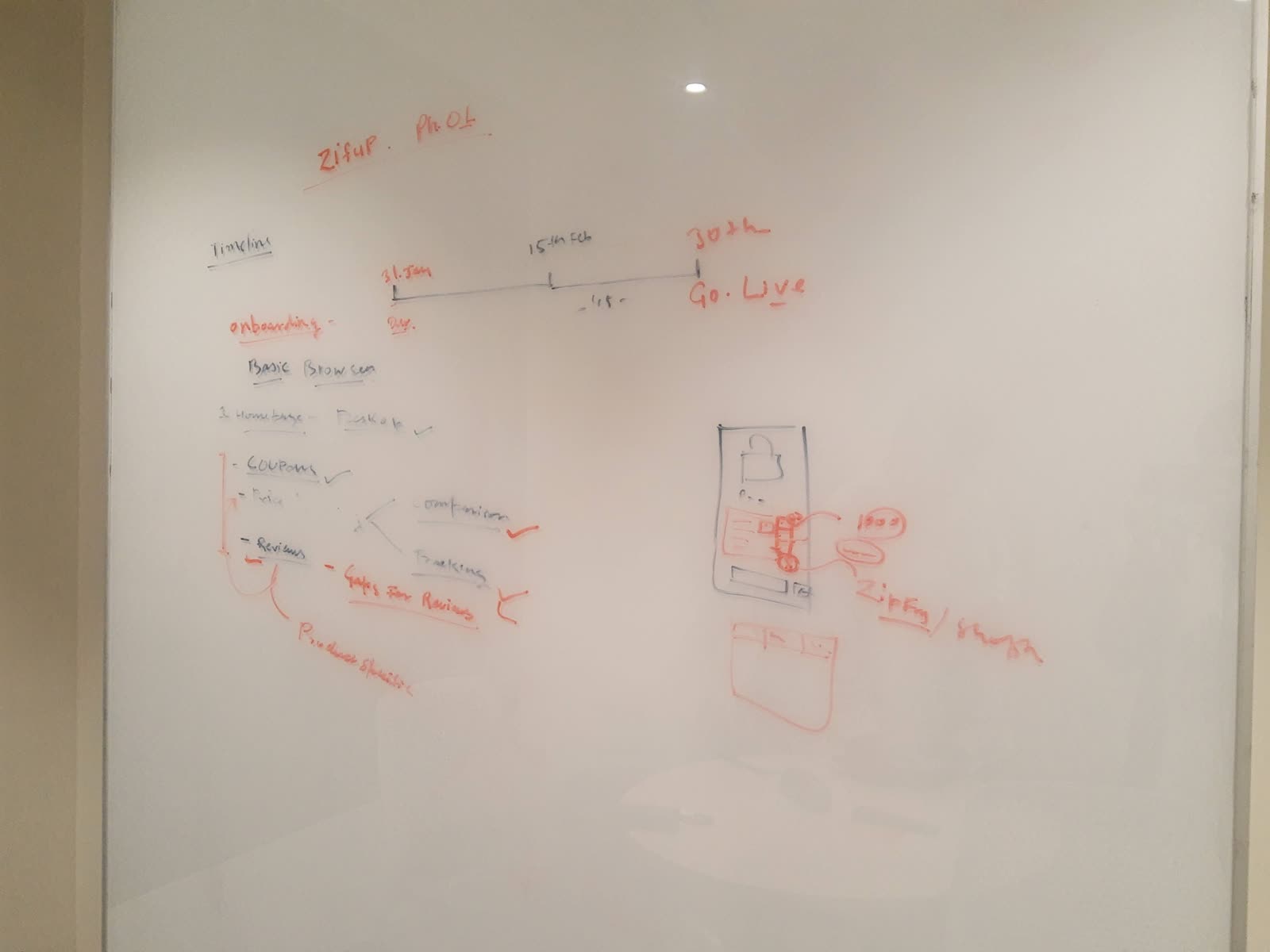
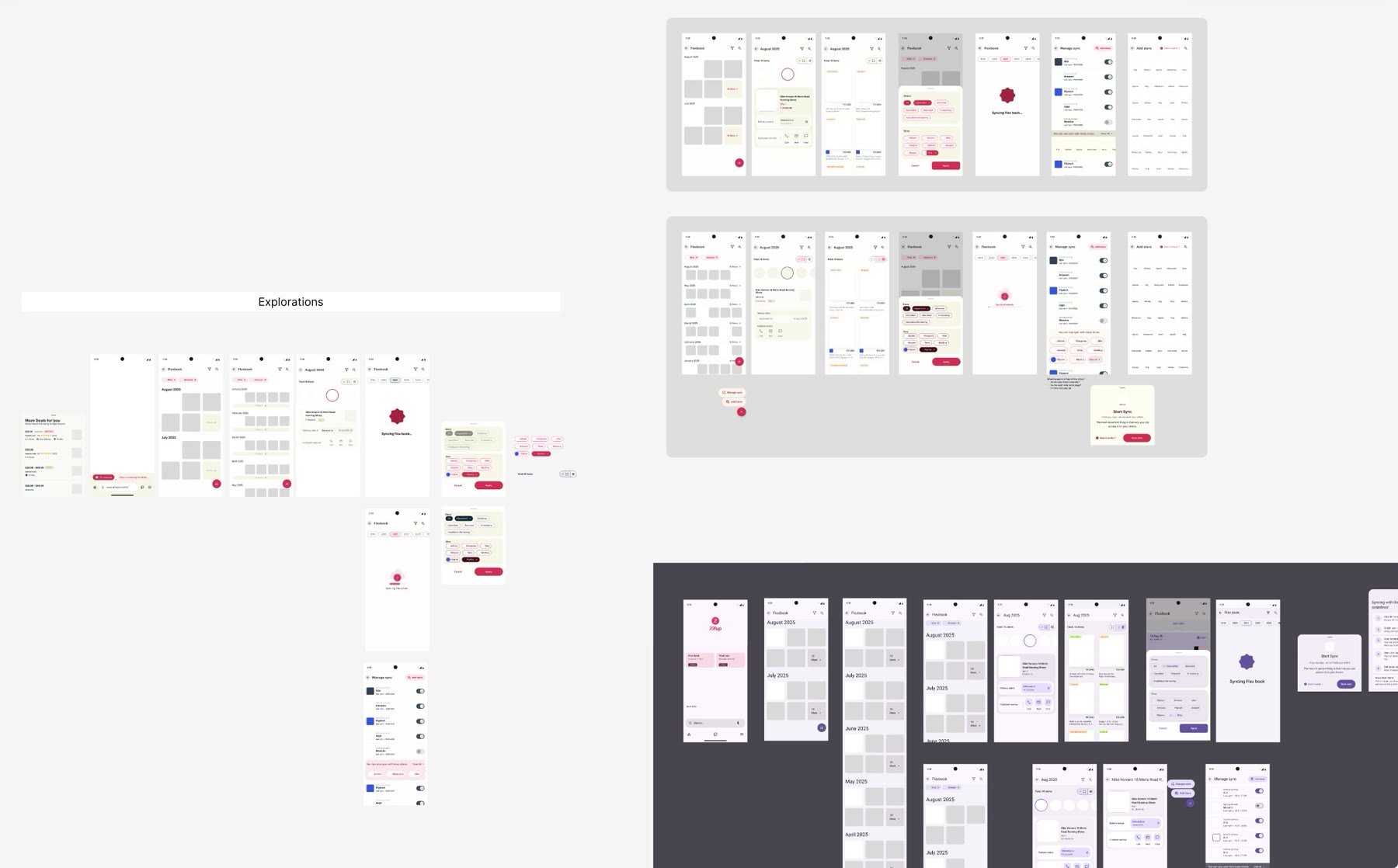
On a product page the browser shrinks the store to 70% height and slides up an overlay comparing prices, coupons and vouchers. The best code is applied for you. Home keeps a running total of what Zifup has saved.

Flexbook syncs orders from stores like Amazon, Flipkart, Myntra and Ajio into one timeline grouped by month. Filters by status and store, and a sync manager to choose which stores connect.

I tested prototypes with users before launch and kept iterating after it shipped.
Users loved the savings but not a new browser. I learned to separate what people value from the shape we deliver it in, and to let that decide how the product shows up.
Some screens and details from this project are under NDA. I'm happy to walk through more of the process in a conversation.
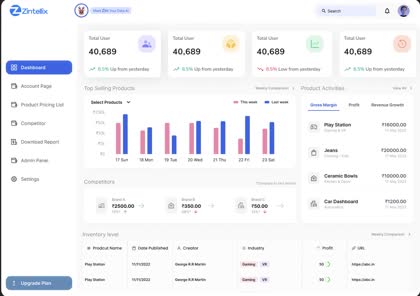
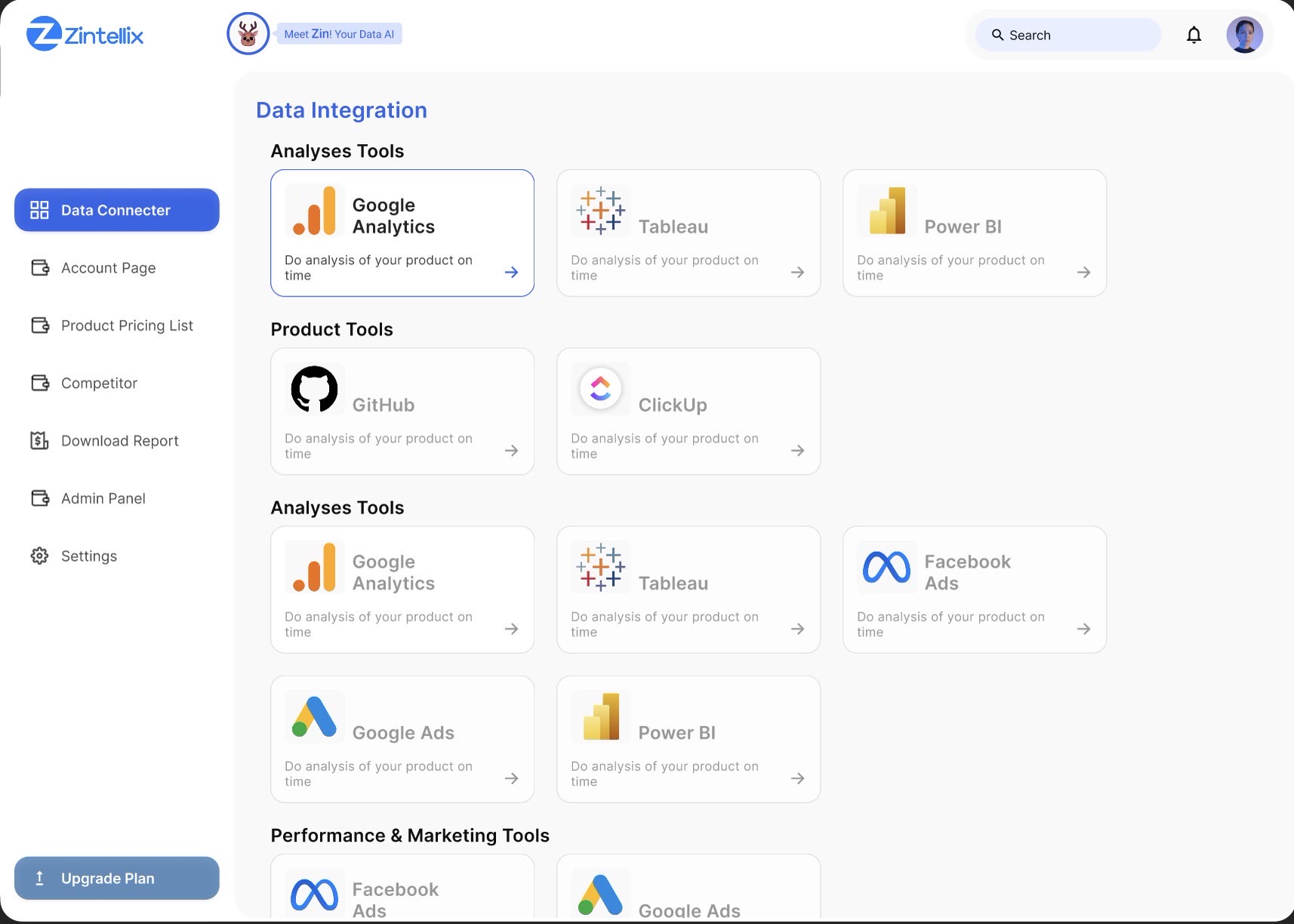
An AI data platform that brings a brand's tools into one dashboard, with Zin, a data assistant, a click away.

Sales sit in one tool, ads in another, product work in a third. Zintellix connects them so a team can see sales, margins, competitors and stock on one screen, and ask Zin when they need more.
The client was shaping an early stage product from the ground up. My brief was to translate the product requirements into a clear information architecture, research competing solutions, and design the dashboard experience, from product structure and sitemap through to high fidelity screens, over about three months.
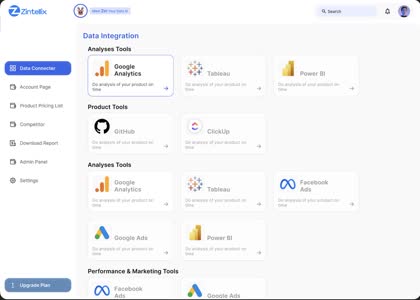
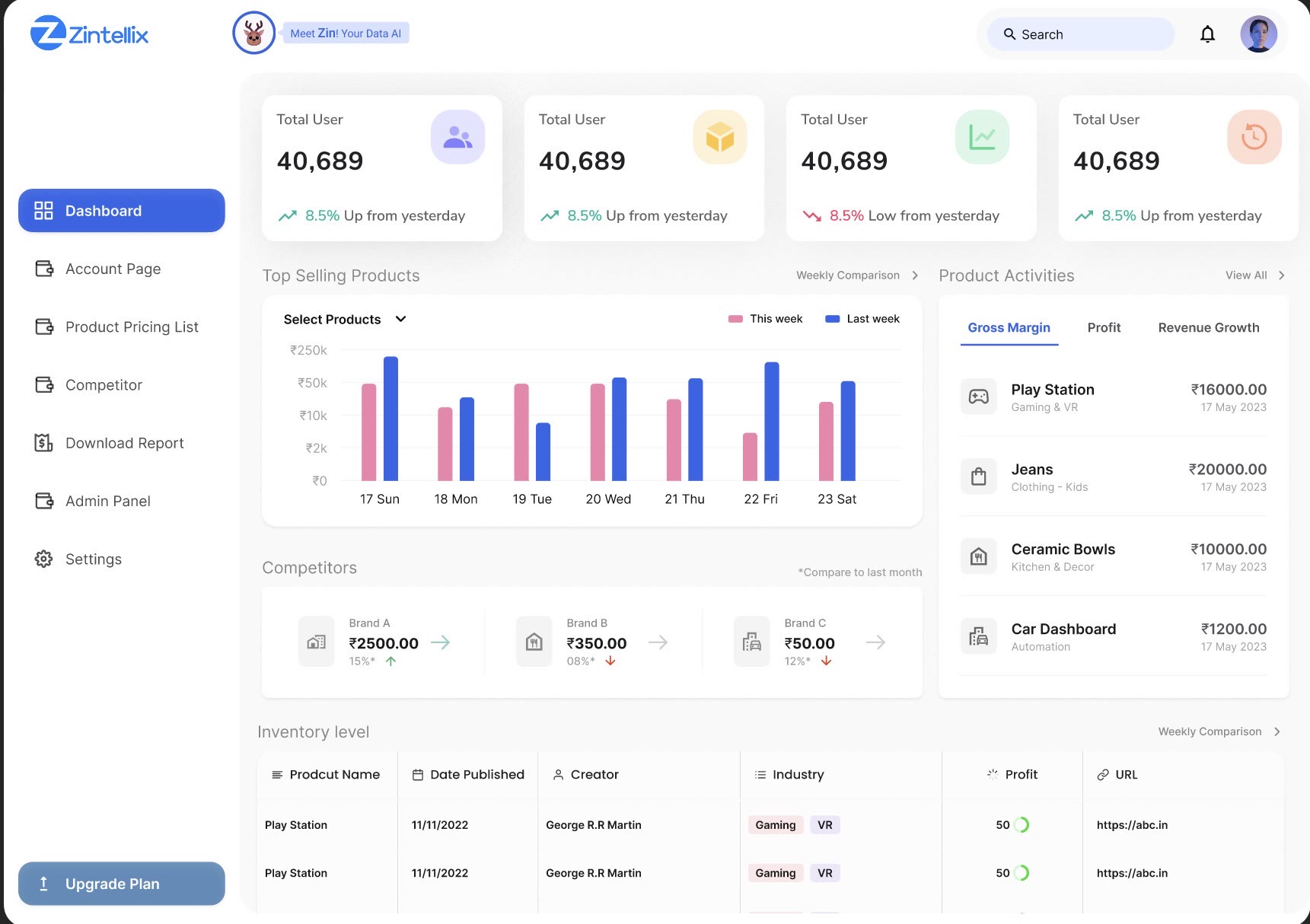
Google Analytics, Tableau, Power BI, GitHub, ClickUp and the ad platforms are sorted into analysis, product and marketing tools, so setup reads like a checklist.

Every block compares something: this week against last, a brand against its competitors, margin against profit and growth. Inventory sits below for detail.

I delivered the foundational product experience for the MVP: the sitemap, information architecture, competitive analysis, and dashboard designs. The work gave the product a clearer structure and a design foundation for implementation.
An AI food discovery app for the moment you can't decide what to eat. I researched it, designed it and built it myself.
Deciding what to eat is a small problem that shows up every day. Before designing anything I ran a survey on food decisions, habits and what would actually help.
"It's complicated. Switching from healthy to junk."Survey respondent
Four sections: about you, food decisions, lifestyle and wellness, and product opportunity. The open answers kept coming back to late night cravings, skipped meals and stress.
The first concept asked people to drag in the ingredients they had. The research said people start from what they feel like eating, so the flow became cravings first: tap what you want, get a healthier way to have it, in a tone that encourages instead of judging.

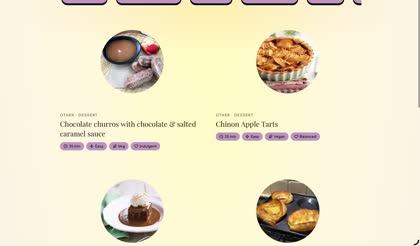
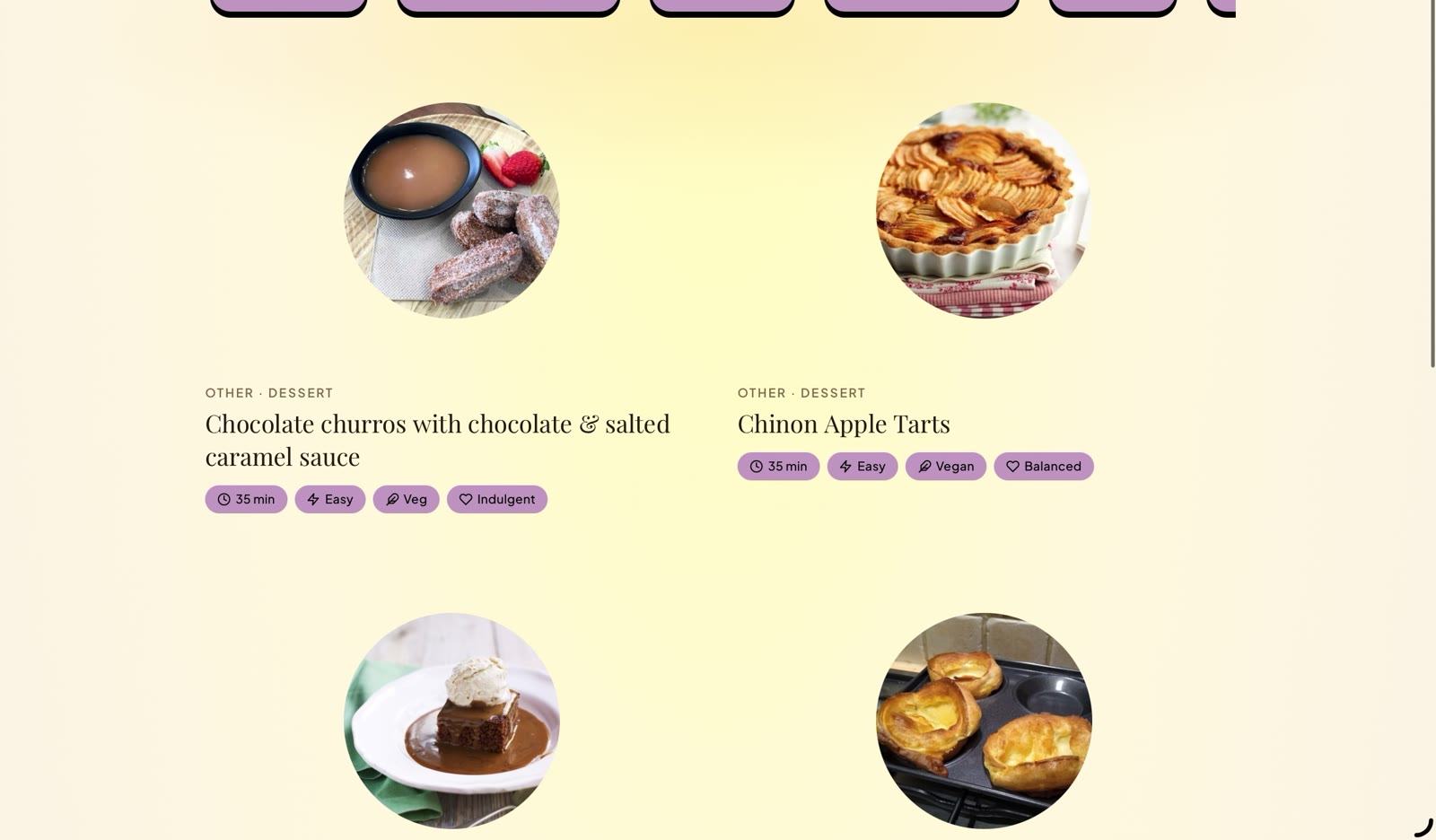
Recipes arrive served on plates, with filters for craving, cuisine and diet in one row above them. Changing your mind takes a single tap.
Each recipe opens with ingredients and quantities, then short numbered steps, and a link to watch it being made.